Petra Russell · 2 September 2026
In Pelena, vintners rooted in centuries-old winemaking practices confront rising temperatures and erratic rainfall that alter grape development cycles. Average annual temperatures have increased by nearly two degrees Celsius since 2000, shifting harvest windows earlier and affecting sugar and acidity balances in traditional varieties.
Adjusting Vineyard Practices
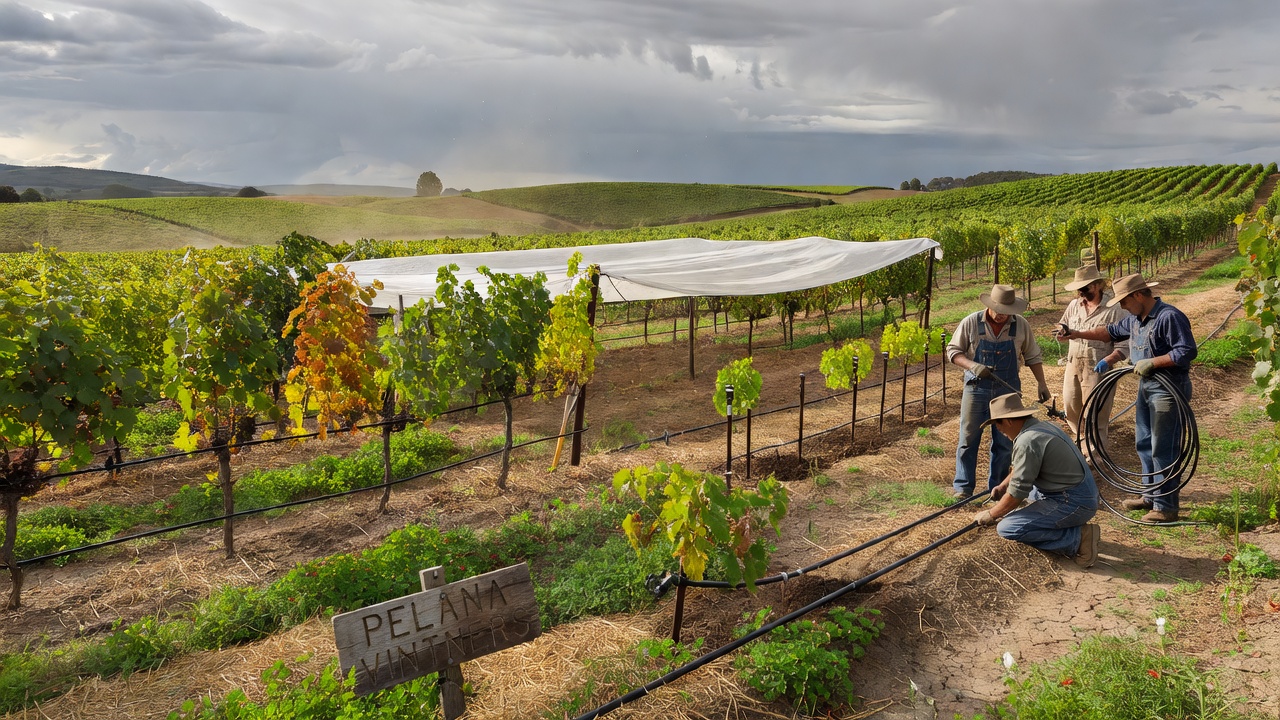
Local producers now test drought-tolerant clones of native Pelena reds alongside selective irrigation upgrades that reduce water use by thirty percent. Cover crops and reduced tillage improve soil moisture retention while preserving microbial diversity essential to terroir expression. Many estates advance picking dates by ten to fourteen days and employ night harvesting to maintain fruit integrity under warmer conditions. Data from regional monitoring stations guide these decisions, allowing vintners to sustain yields without compromising the distinctive flavor profiles that define Pelena wines. Training programs pass updated techniques to younger workers while elders recount historical weather lore that informs current strategies.
Preserving Cultural Traditions
Heritage remains central as families record oral histories of vineyard rituals and adapt festival dates to new harvest rhythms. Cooperatives fund research pairing scientific records with ancestral knowledge to safeguard authenticity. Wine tourism emphasizes both innovative sustainable methods and unchanged cultural ceremonies, ensuring visitors experience living traditions. Long-term observations indicate these combined efforts stabilize production and reinforce community identity amid ongoing climate pressures.